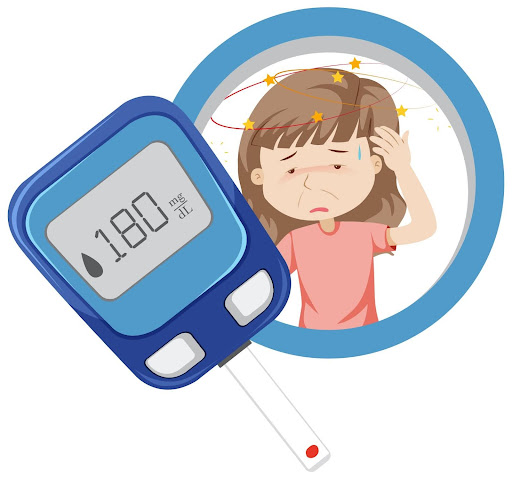
You’re not eating anything. So why is your blood sugar so high? It’s a hot summer day, and the temperature is relentless. You’ve eaten light, avoided sweetened beverages, and even tracked your glucose levels before you left the house. All was fine. But your postprandial blood sugar is too high—and you don’t have a clue why.
Heat & Blood Sugar: What’s Actually Happening?
1. Your Body Reacts to Heat as Stress—Releasing More Glucose
When your body gets too hot, it triggers a response to survive—similar to how it would when reacting to an injury or sudden danger. Your body releases stress hormones like cortisol and adrenaline to cope with rising temperatures. These hormones tell your liver to dump extra glucose into your bloodstream for immediate energy. This glucose spike happens whether or not you’ve eaten. Heat exposure is shown in studies to raise fasting blood glucose by as much as 23% in individuals with metabolic disease.
2. Dehydration Concentrates Sugar in Your Bloodstream
The more you perspire, the more water you lose. When you’re dehydrated, the level of water in your blood decreases but glucose remains the same. This increases your blood sugar level artificially—not because your body produces more glucose, but because there’s less fluid to dilute it. Even slight dehydration (only 2% fluid loss) will warp glucose control and boost insulin resistance.
3. Heat Affects How Your Body Uses Insulin
In high temperatures, blood vessels expand, which can speed up insulin absorption and cause rapid glucose drops. But if you’re dehydrated, the opposite happens: insulin moves sluggishly through the body, making it less effective.
How to Prevent Heat-Related Blood Sugar Spikes
1. Prioritize Hydration
Drink water-rich foods (like cucumber, watermelon, and oranges). Use sugar-free electrolyte supplements if you’re sweating heavily. Avoid caffeinated drinks and alcohol—both increase dehydration.
2. Adjust Activity Levels in Extreme Heat
Exercise during cooler times of the day—early morning or late evening. Have fast-acting glucose on hand in the event of unexpected lows.
3. Track Glucose Levels More Frequently
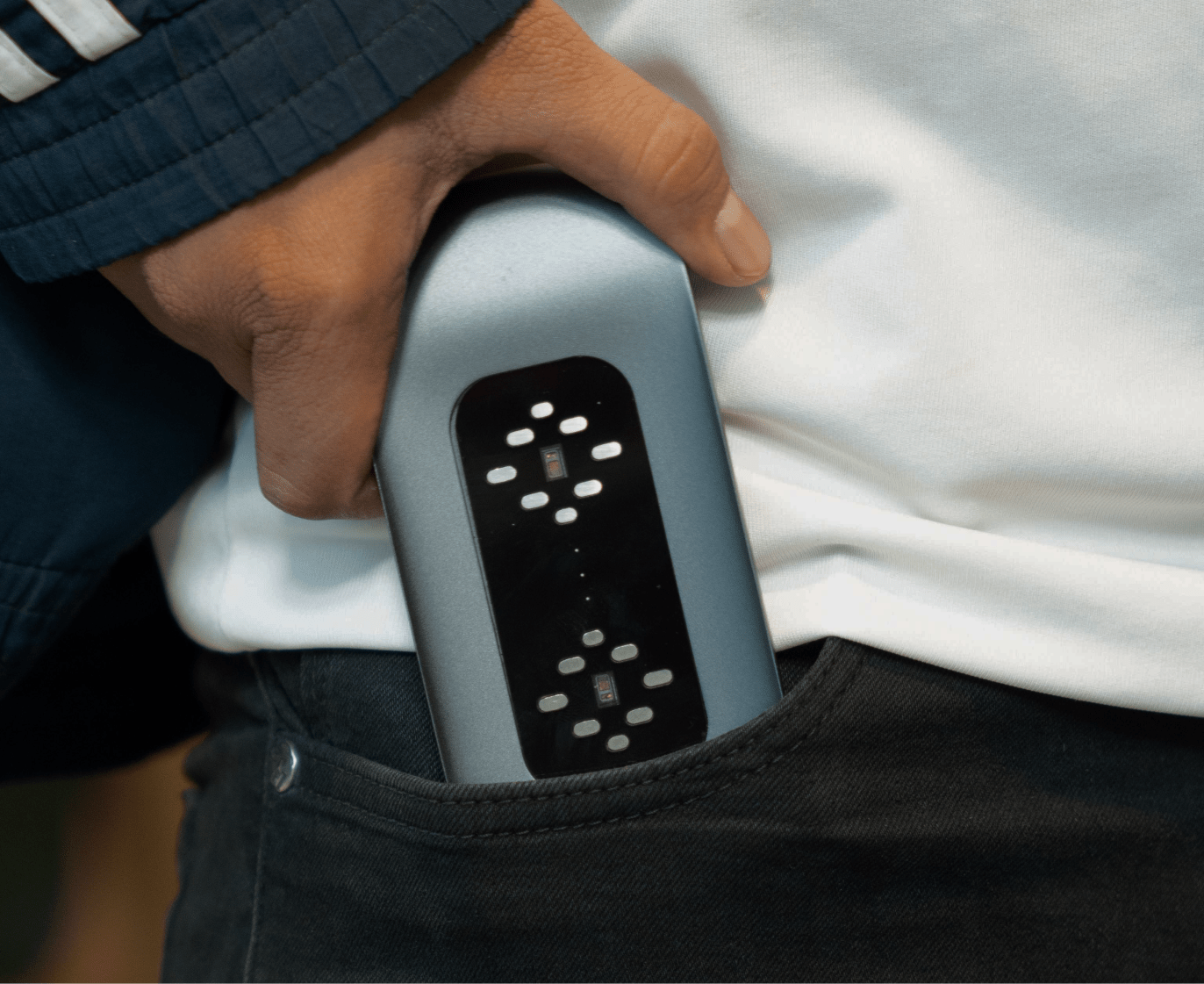
Heat renders blood sugar wildly unpredictable—so tracking only at regular intervals won’t tell the whole story. Employ a continuous glucose track (CGM) for real-time information. Blood sugar tracking can keep you ahead of the issue.