
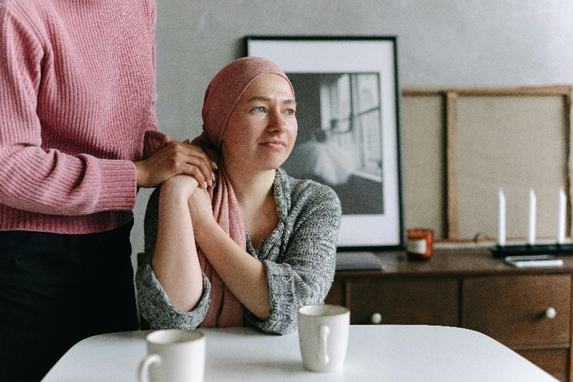
In India, cervical cancer presents a major challenge with around 96,922 new cases and 60,078 deaths annually, accounting for nearly 25% of global cases. This urgent crisis, largely preventable through better awareness, screening, and vaccination, demands immediate action.
Introduction: A Hidden Battle
Cervical cancer is the second most common cancer among Indian women. Despite its prevalence, discussions about cervical cancer are often suppressed by cultural taboos and a lack of awareness, leaving many women to endure a lonely and misunderstood battle.
The Stark Reality
Cervical cancer is mainly caused by the Human Papillomavirus (HPV), a sexually transmitted infection. India carries nearly 25% of the global burden of cervical cancer cases.
Recognizing the Symptoms
Early symptoms of cervical cancer can often be dismissed as normal discomforts:
- Irregular Bleeding: Unexpected spots between periods or after sexual intercourse.
- Unusual Vaginal Discharge: A change in the consistency, smell, or color of discharge.
- Pelvic Pain: Pain during intercourse or at other times could also be a warning sign.
Bridging the Gap: Preventive Measures
- HPV Vaccination: Vaccines like Gardasil and Cervarix provide protection against the primary types of HPV that cause cervical cancer.
- Regular Screening: Pap smear tests and HPV DNA tests can detect early changes in cervical cells.
- Safe Sex Practices: Using condoms and practicing safe sex reduce the risk of HPV transmission.
- Lifestyle Choices: A healthy diet, regular exercise, and quitting smoking also diminish risk factors.
Community Engagement & Conclusion
Engaging with community leaders can help normalize discussions about reproductive health. With collective effort and technological innovation, we can envision a future where cervical cancer is no longer a common threat but a preventable and manageable disease.