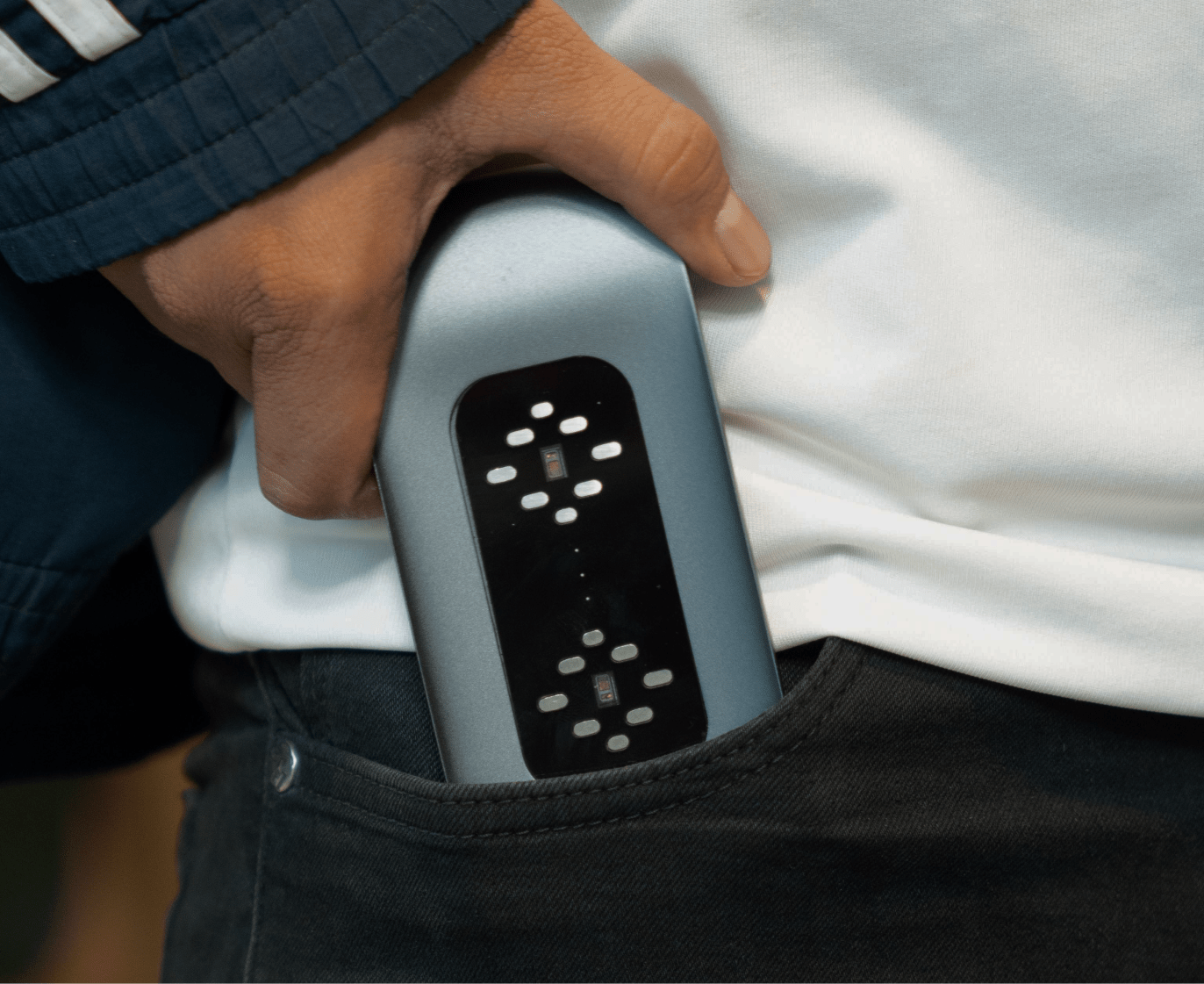

Has it ever crossed your mind why your blood sugar readings keep on fluctuating? Knowing the time you should measure your blood sugar using a blood glucose track is critical for accurate readings and efficient management.
Why Does Your Blood Sugar Level Fluctuate?
Blood sugar can fluctuate under the influence of factors like Diet, Insulin, Physical Activity, and Stress & Sleep. Knowing when to check is important in blood glucose track usage and diabetes management.
Checking Blood Sugar Before Meals (Fasting Blood Sugar)
Check before eating first thing in the morning (before breakfast) to establish a baseline reading; before any meal if adjusting medication or insulin doses; before bedtime for those managing blood sugar overnight.
Normal Fasting Blood Sugar Levels: Normal: 70-99 mg/dL • Prediabetes: 100-125 mg/dL • Diabetes: 126 mg/dL and above (on multiple tests)
Checking Blood Sugar After Meals (Postprandial Blood Sugar)
1 Hour After Eating: Captures the peak blood sugar spike, especially useful for those on insulin therapy. 2 Hours After Eating: Helps assess how well the body regulates blood sugar after digestion and insulin response.
Normal Post-Meal Blood Sugar Levels: Normal: Below 140 mg/dL • Prediabetes: 140-199 mg/dL • Diabetes: 200 mg/dL or above
Before vs. After Meals: Which is Better?
Fasting readings provide a baseline to understand how your body regulates blood sugar overnight and between meals. Post-meal readings show how your body reacts to specific foods and insulin levels after eating. Combining both readings helps assess insulin efficiency and overall glucose control.
Conclusion
There is no one-size-fits-all answer. Your ideal testing schedule depends on your health goals, medication plan, and doctor’s recommendations. Whether you check before or after meals, understanding your numbers helps you take control of your health. Try the Eyva Non-Invasive Blood Sugar Testing Machine—no pricking required.