
You’ve been cutting back on carbs, ditching the sugar, and getting more exercise, yet your blood sugar still seems to have a mind of its own. What if the issue is not what you eat or how much you exercise? Your gut could be playing a more major factor than you are aware.
How Your Gut Absorbs Nutrients
Your gut is not just a pipe for food to travel through—it’s a highly developed system designed to draw out and move nutrients all around your body. Your small intestine is lined with millions of tiny finger-like projections called villi and microvilli that increase the surface area for absorption. Everything goes swimmingly until nutrients like glucose, amino acids, and vitamins are absorbed slowly and uniformly. But when this balance gets disrupted—say, by inflammation, stress, infection, or poor nutrition—absorption can become too fast, too slow, or uneven.
How Gut Absorption Affects Blood Sugar
1. Damaged Gut Lining = Inflammation + Insulin Resistance
When the intestinal lining becomes compromised (increased intestinal permeability), the body may mount an immune response leading to chronic low-grade inflammation, which is a well-established contributor to insulin resistance. Insulin resistance occurs when cells no longer respond effectively to insulin, requiring the pancreas to produce more of it to maintain normal glucose levels.
2. Imbalanced Gut Bacteria Disrupt Glucose Metabolism
A healthy gut microbiota is diverse and stable. However, factors such as poor diet, antibiotic overuse, infections, and stress can lead to microbial dysbiosis. This imbalance leads to decreased production of short-chain fatty acids (SCFAs) such as butyrate, increased inflammation interfering with insulin signaling, and disrupted gut hormones such as GLP-1 that impact postprandial insulin release.
3. Malabsorption Leads to Deficiency in Key Nutrients
Some gut conditions reduce your body’s ability to absorb nutrients efficiently. Over time, this can lead to deficiencies in magnesium, chromium, vitamin D, and other nutrients that support blood sugar regulation.
4. Rapid Glucose Absorption = Sugar Spikes
When your gut processes food too quickly—say, from low fiber intake or enzyme imbalances—glucose may enter your bloodstream in one big wave instead of a slow drip. The result? Post-meal sugar spikes, energy crashes, and a pancreas working overtime to produce insulin.
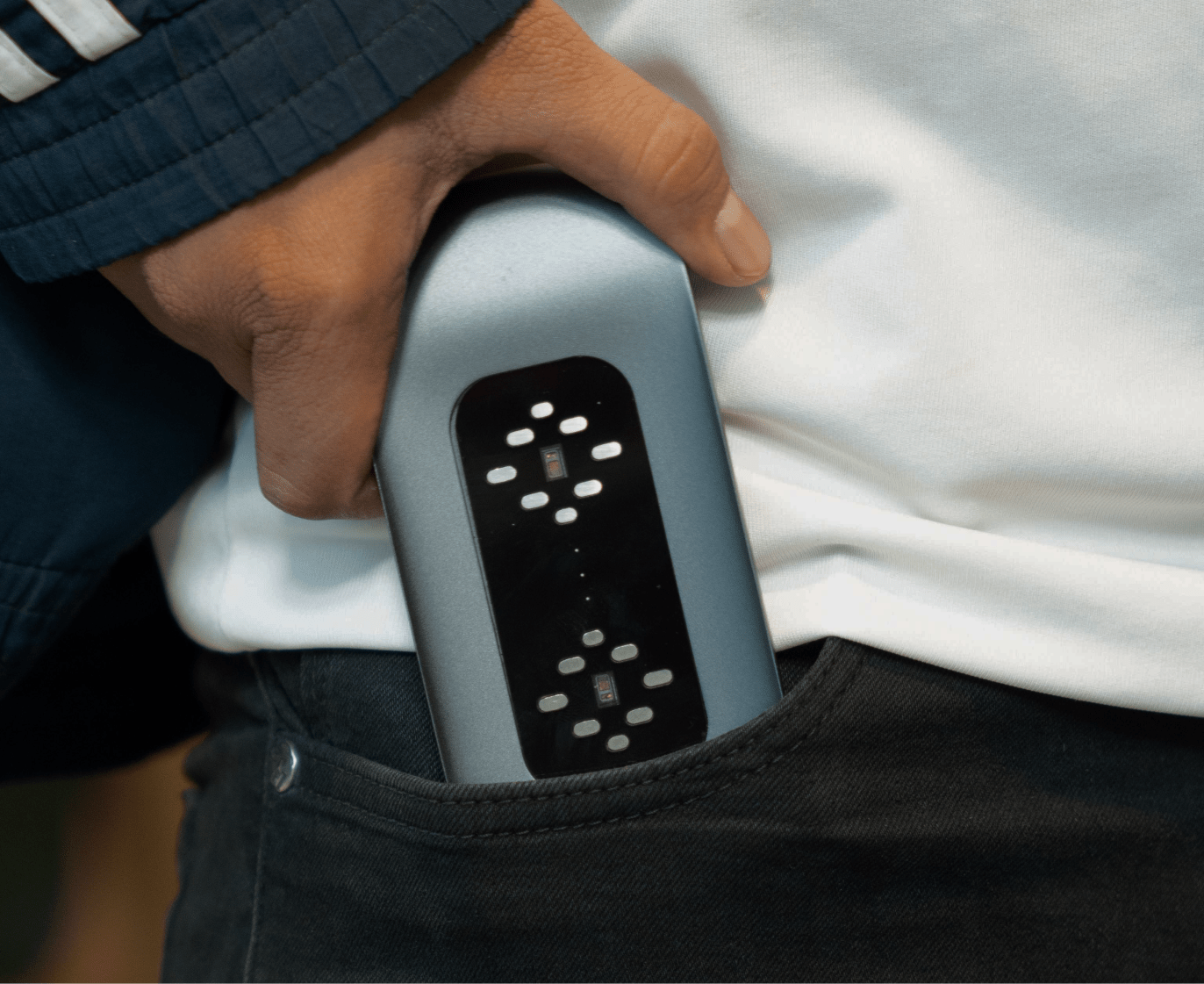
EYVA helps you do exactly that. With a real time blood glucose track offering non-invasive glucose tracking, you don’t have to guess whether your gut is affecting your levels—you can see it instantly.