
You’ve worked hard. Swapped rice for cauliflower. Opted for lettuce wraps instead of sandwiches. But despite all of this, your blood sugar still isn’t where you expect it to be. Your body doesn’t follow a one-size-fits-all rule. Hormones, sleep patterns, stress, gut bacteria, and even genetics can all influence how your blood sugar reacts.
The Impact Low-Carb Has on Your Blood Sugar
Low-carb diets are designed to reduce the intake of carbohydrates, typically leading to fewer post-meal insulin surges, reduced glycemic variability, greater appetite control, and improved metabolic flexibility.
But even when you cut carbs, your body doesn’t stop needing glucose. Through a process called gluconeogenesis, your liver begins to synthesize glucose from non-carbohydrate sources—particularly amino acids from protein and glycerol from fats. When carb intake drops too low or too suddenly, the body can interpret it as stress, activating the HPA axis and triggering the release of cortisol. This is why some people on low-carb diets experience elevated morning glucose levels—known as the dawn phenomenon—despite eating “clean.”
How Eyva Helps You Evaluate the True Effects of a Low-Carb Diet
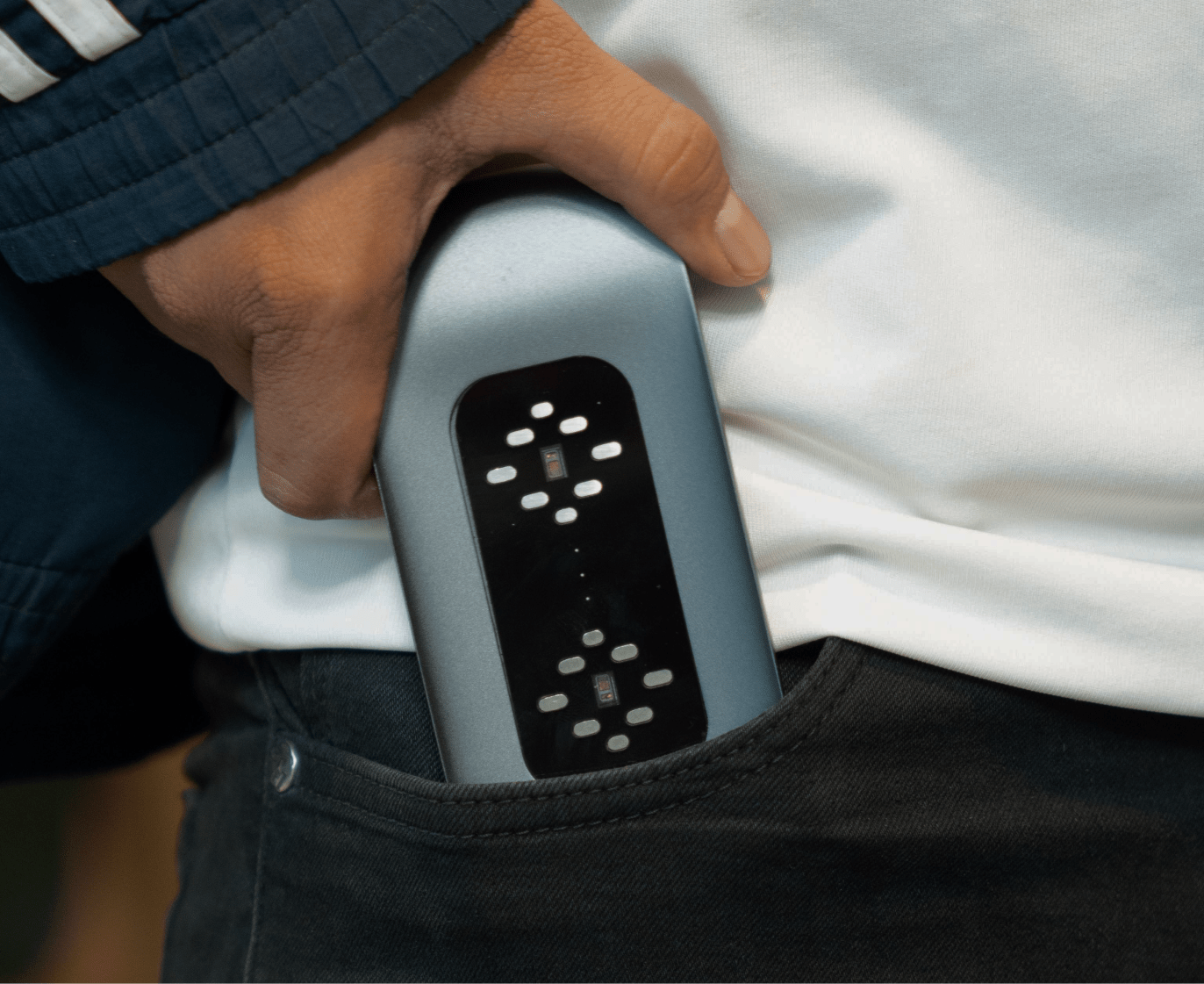
Eyva is a non-invasive metabolic sensor designed to track your glucose trends continuously—without the need for finger pricks or skin inserts. Unlike a traditional blood glucose track that offers snapshot readings, Eyva delivers contextual glucose data you can act on.
With Eyva, you can track: Post-meal glucose shifts (even after carb-restricted meals), Unexpected glycemic spikes triggered by stress or poor sleep, Delayed blood sugar rises from high-protein meals via gluconeogenesis, Cortisol-related morning elevations (like the dawn phenomenon), and How your body responds to different carb types.
What Subtle Signs Signal Poor Glucose Stability?
- Morning fatigue despite 7–8 hours of sleep may point to elevated cortisol and the dawn phenomenon.
- Irritability or brain fog mid-morning may reflect reactive hypoglycemia.
- Energy dips post-workout can signal insufficient glucose replenishment after exercise.
- Sleep disturbances (especially 2–3 AM wake-ups) may signal a glucose dip triggering adrenaline or cortisol release.
- Unexplained cravings can be a compensatory mechanism when blood sugar is swinging unpredictably.
A low-carb diet can help—but it can also mislead. Without real-time glucose data, you’re left guessing whether your choices are regulating your blood sugar or quietly destabilizing it. Eyva helps you prove it’s working—or shows you how to fix what isn’t.