High temperatures increase sweat loss—and that can destabilize your blood sugar. Heat impacts how your body controls insulin, raises dehydration risks, and can obscure early signs of glucose imbalance. For dieters on a ketogenic diet—already with carb intake severely limited and electrolyte status precarious—that risk compounds.
What Happens to Diabetics in the Heat?
When you sweat more, you lose more fluids—and with them, vital electrolytes like sodium, potassium, and magnesium. This dehydration concentrates your bloodstream, making glucose levels rise even if you haven’t eaten more. Heat exposure effects: Dehydration (thickens blood, raises sugar), Faster insulin absorption (surprise lows), Physical Stress (cortisol release), Heat-Sensitive Medications (reduced potency above 30°C).
How the Ketogenic Diet Works for Diabetes
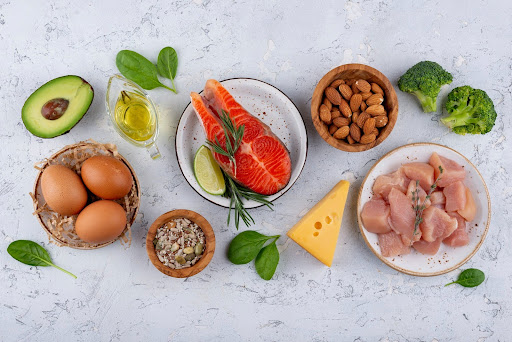
A ketogenic (keto) diet is high in fats, moderate in protein, and very low in carbohydrates. For many diabetics, this metabolic shift comes with benefits: Lower carb intake (fewer glucose spikes), Improved insulin sensitivity, Weight loss, and Fewer sugar crashes. But keto naturally flushes out water and electrolytes—especially in the early phases. Combined with summer heat, this creates a serious risk of dehydration, muscle cramps, fatigue, and even heart rhythm issues.
How to Reduce Blood Sugar in Summer (Without Disrupting Keto)
- Stay Ahead on Hydration: Drink water frequently. Add electrolytes (sodium, potassium, magnesium). Avoid sugary sports drinks.
- Adjust Physical Activity: Exercise during cooler parts of the day. Carry fast-acting glucose if insulin-dependent. Track blood sugar before, during, and after workouts.
- Don’t Go Too Low on Carbs Too Fast: Stick to gradual changes. Prioritize non-starchy vegetables, healthy fats, and proteins.
- Refrigerate Medications: Many diabetes medications lose potency in heat. Use insulated travel packs with ice packs. Store medications in a cool, dry place indoors.
- Watch for Keto Flu Symptoms: Fatigue, dizziness, and brain fog could be caused by keto or by the heat. Rule out dehydration first.
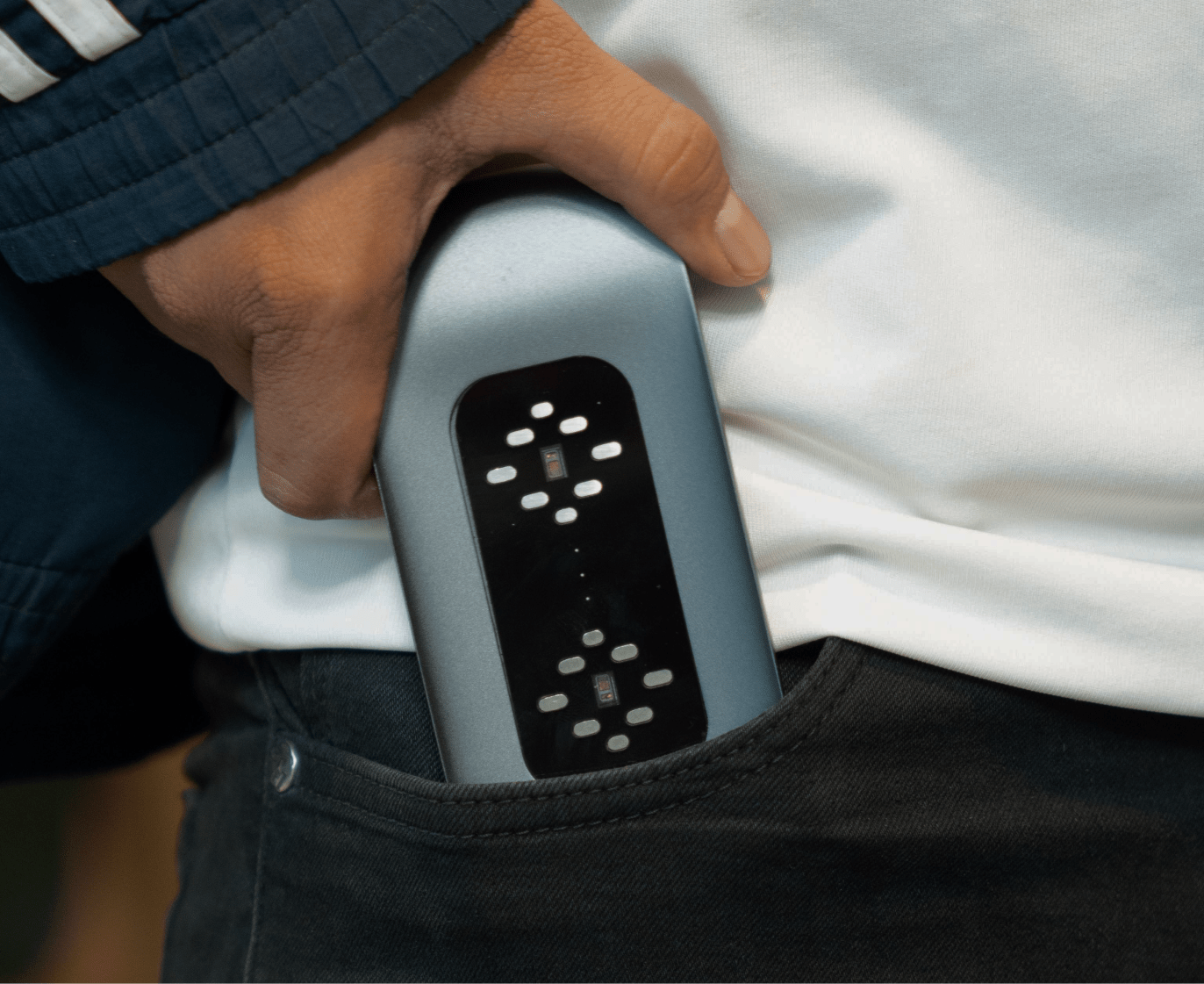
Blood sugar doesn’t just react to what you eat—it shifts with heat, hydration, hormones, and how your body absorbs insulin in the moment. That’s why real-time insight matters more than routine.