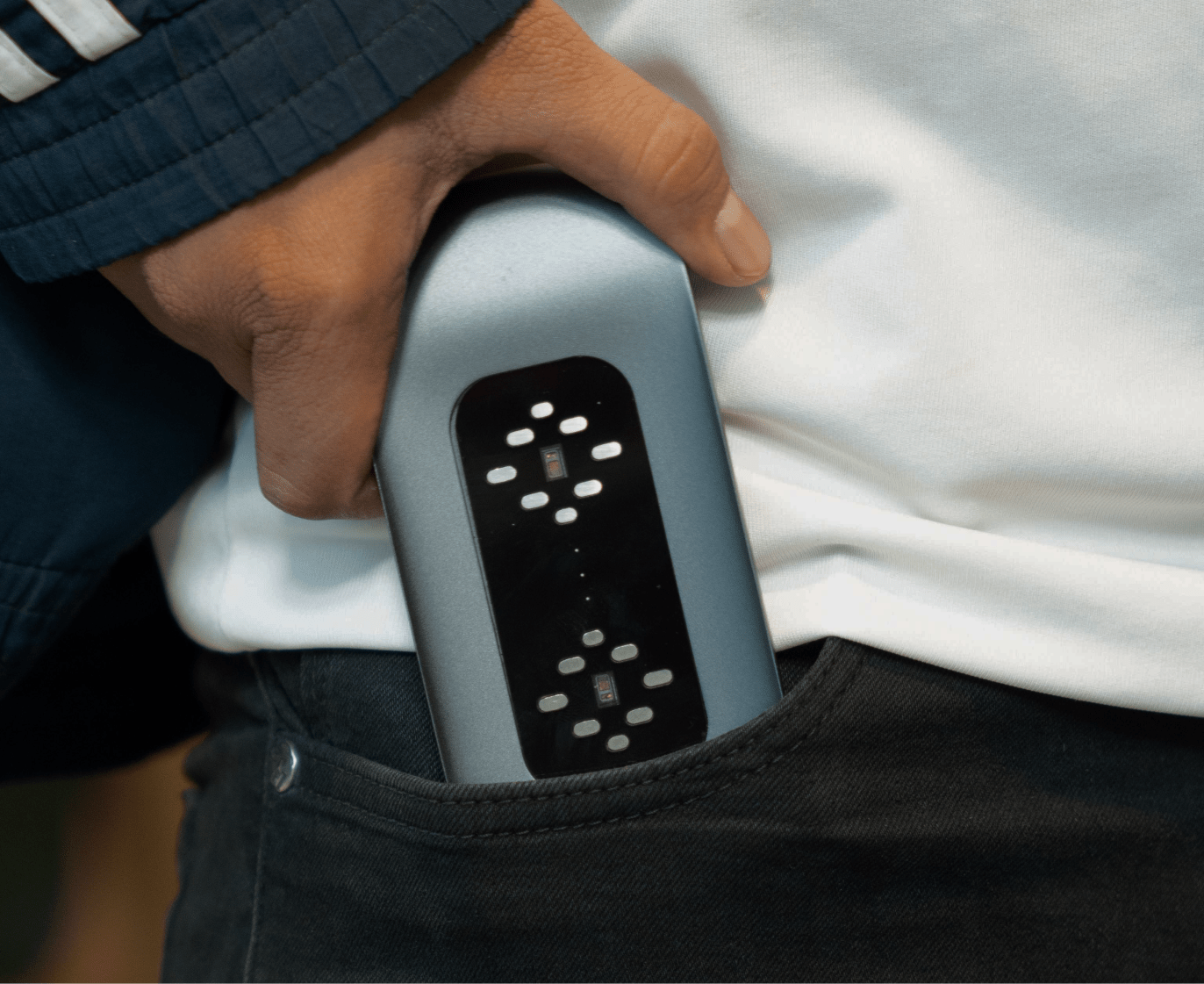

Your blood sugar doesn’t just respond to food—it responds to your habits. And summer quietly alters more of your daily routines than you realize. Extended daylight, warmer weather, sporadic meal times, and disrupted sleep can all alter how your body manages glucose, even when your diet remains constant.
1. Skipping Meals (Because It’s “Too Hot to Eat”)
In summer, it’s easy to lose your appetite. But missing meals isn’t simply about consuming fewer calories. Skipping meals can set off a series of metabolic processes: Heat impacts digestion by routing blood to the skin. Missed meals bring down glucose as your body draws on stored glycogen. The stress response kicks in with cortisol often overcompensating, pushing your glucose too high later in the day.
2. Sudden Activity Spikes (That You Don’t Track as Exercise)
Summer naturally invites more spontaneous movement. Unplanned movement uses glucose: whether it’s walking to the store in the heat, cleaning the house more vigorously, or chasing your dog at the park—your muscles pull glucose from your bloodstream for energy. With EYVA, you can start noticing cause-and-effect patterns—for example, why you feel tired after a walk or why your post-lunch levels stay unusually low.
3. Dehydration (Without Thirst Cues)
Just because you’re not thirsty doesn’t mean you’re hydrated. Mild dehydration leads to hemoconcentration: As water content in your blood decreases, the glucose concentration increases. Insulin efficiency drops: Dehydrated cells become more insulin-resistant. Digestive processes slow down causing erratic glucose absorption.
4. Summer Fruits Eaten Without Meals
Summer fruits like watermelon, lychee, and grapes are refreshing, but they come with hidden challenges. Many have a high glycemic index, meaning they’re quickly absorbed into the bloodstream when consumed alone—without fiber or protein to slow digestion. Experiment with combining fruits with proteins or healthy fats (e.g., papaya + almonds) and track how these combinations affect your blood sugar in real-time.
5. Late Social Dinners (And Post-Meal Laziness)
Long summer evenings often bring longer dinner times, leading to later meals and more relaxed socializing. Eating late delays the digestive process affecting overnight glucose processing. Lack of physical activity after meals prevents the body from efficiently using the glucose from the food. Eyva’s continuous blood sugar tracking gives you insights into how your late-night meals affect your overnight glucose levels.
Summer brings subtle changes in routine that can silently impact your blood sugar, often without clear symptoms. With Eyva, you don’t have to rely on guessing or waiting for symptoms to appear. By providing real-time, continuous insights into your blood sugar, Eyva helps you identify hidden spikes and dips.