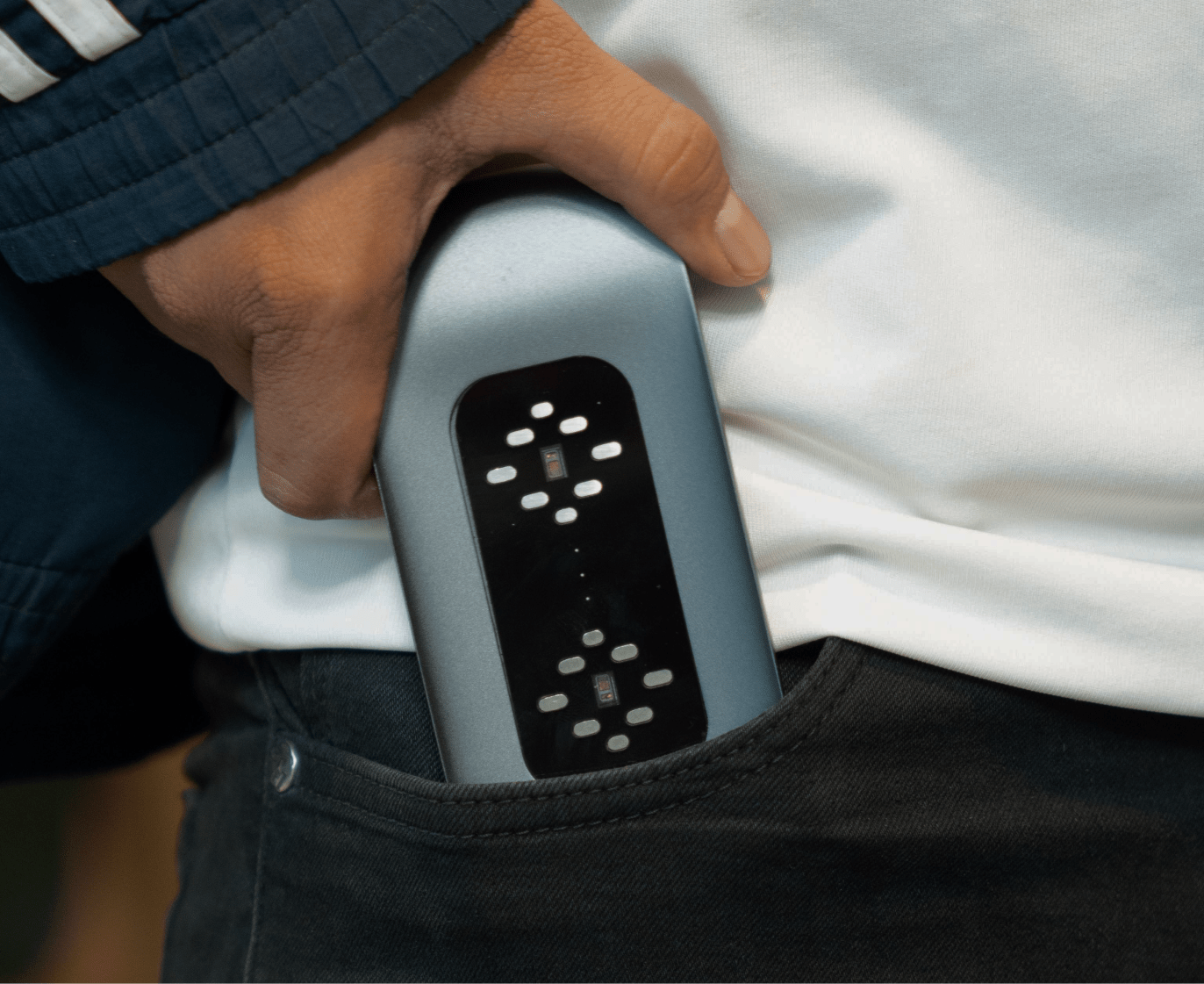

You slept for 8 hours… So why does it feel like you barely closed your eyes? Many people struggle with unexplained fatigue, and while you might blame stress, a poor mattress, or not enough coffee, there’s something else at play—your blood sugar levels shifting overnight.
Research shows that fluctuations in blood glucose during the night can disrupt sleep quality—leaving you drained the next morning. In fact, up to one-third of people with diabetes experience sleep disturbances. And even if you don’t have diabetes, poor blood sugar control can still sabotage your sleep cycle.
Why Blood Sugar Swings at Night Affect Your Sleep
When your blood sugar is too high before bed, your body struggles to process the excess glucose. This can cause frequent urination, dehydration & thirst, and restlessness & overheating.
On the other hand, blood glucose that drops too low at night can unleash night sweats & chills, sudden awakenings, and headaches & dizziness.
The Vicious Cycle: Poor Sleep Worsens Blood Sugar Levels
Not only does blood sugar impact your sleep, but poor sleep also worsens blood sugar control. Sleep deprivation results in the reinforcement of insulin resistance, where your body will be less efficient in handling glucose properly.
Simple Changes to Stabilize Your Nighttime Blood Sugar
- Eat a Balanced Dinner: A meal high in refined carbs can cause a blood sugar rollercoaster while you sleep. Opt for lean protein, healthy fats, and fiber-rich complex carbs.
- Be Mindful of Late-Night Snacking: Limit your intake to low-GI foods like Greek yogurt, almonds, or boiled eggs that won’t raise your blood sugar levels.
- Keep a Consistent Sleep Schedule: Controlling your body’s natural cycle helps stabilize blood sugar levels.
- Manage Stress Before Bed: Try meditation, deep breathing, or reading to relax before bedtime.
- Stay Hydrated: Aim for at least 8 glasses of water daily, but avoid large amounts right before bed to prevent frequent urination.
Waking up tired isn’t normal—and it doesn’t have to be your reality. By tracking your nighttime blood sugar and making small adjustments, you can sleep better, feel more energized, and improve your overall health.